Baganda
The largest tribe in Uganda, known for the Buganda Kingdom, rich traditions, and Luganda language. Their cultural influence strongly shapes Uganda’s politics, music, and social systems.
Uganda is home to a rich tapestry of cultures, languages, and traditions, shaped by more than one hundred distinct tribes. Each tribe carries its own history, values, and practices, contributing to the nation’s vibrant identity. Documenting these tribes is not only about preserving heritage, but also about honoring the diversity that defines Uganda.
Tribes influence every aspect of life — from naming traditions and family structures to music, dance, and cuisine. They provide a sense of belonging and continuity, connecting generations through shared customs and collective memory. By understanding tribal identities, we gain insight into the resilience, creativity, and unity that have sustained Ugandan communities for centuries.
Colonial history and modernization have sometimes threatened these traditions, yet they remain deeply rooted in everyday life. Recording and sharing information about Uganda’s tribes ensures that future generations can appreciate their cultural richness and learn from the wisdom embedded in ancestral practices.
This page exists to celebrate Uganda’s diversity, offering a comprehensive list of tribes and highlighting their unique contributions. By documenting and sharing these stories, we affirm the importance of cultural identity and strengthen the bonds that unite Ugandans across regions and backgrounds.
A Mosaic of Heritage
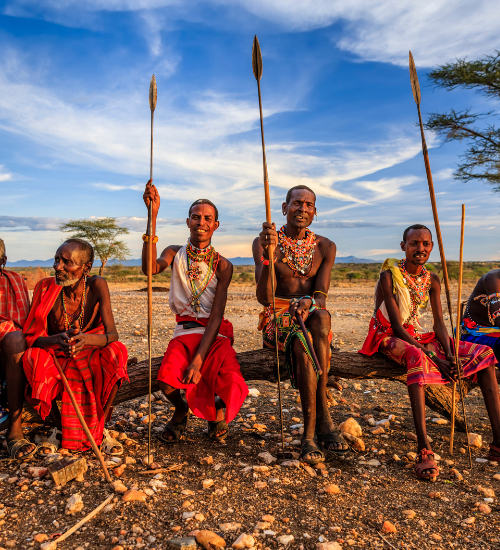
Uganda’s cultural identity is shaped by many tribes, each with unique traditions and values. Highlighting major tribes helps us understand their influence on language, heritage, and community life. These tribes represent Uganda’s diversity and resilience.
The largest tribe in Uganda, known for the Buganda Kingdom, rich traditions, and Luganda language. Their cultural influence strongly shapes Uganda’s politics, music, and social systems.
Located in eastern Uganda, the Basoga are recognized for their vibrant dances, agricultural practices, and Lusoga language. They emphasize community life and cultural celebrations.
Found in northern Uganda, the Acholi are known for storytelling, traditional dances like Larakaraka, and resilience through history. Their culture emphasizes unity and oral traditions.
Residing in southwestern Uganda, the Banyankore are cattle keepers and farmers. Their Runyankore language and traditions highlight respect, kinship, and strong clan structures.
From northwestern Uganda, the Lugbara are recognized for their farming, folklore, and distinctive dances. Their culture emphasizes family bonds and community cooperation.
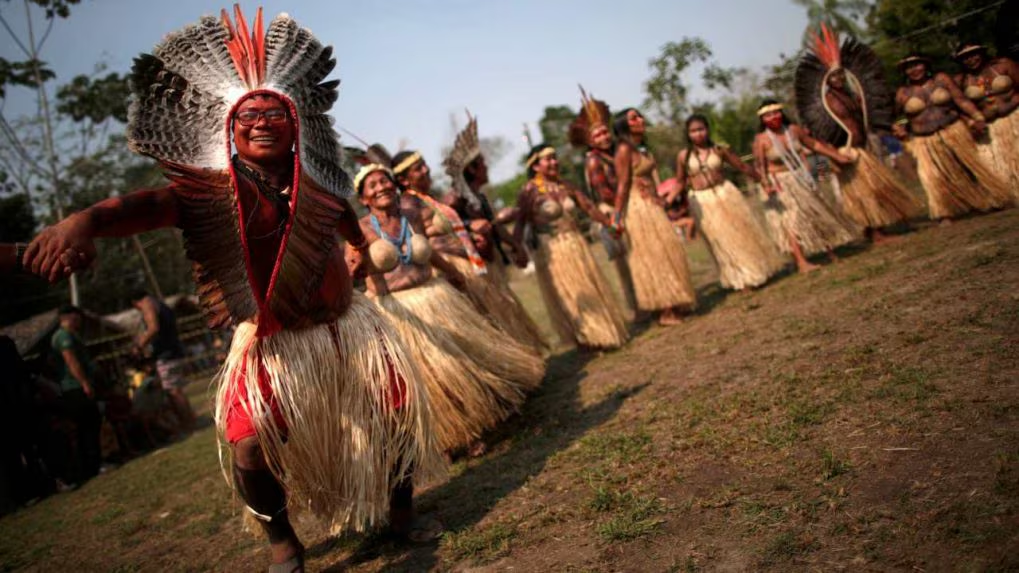
Tribes in Uganda are the foundation of identity, language, and tradition. They shape how communities live, celebrate, and connect, offering a sense of belonging that transcends generations. Each tribe carries unique customs, from naming practices and oral storytelling to music, dance, and cuisine, weaving together a vibrant cultural fabric.
Language is central to tribal identity, preserving history and strengthening communication. Traditions such as clan systems, ceremonies, and agricultural practices reflect values of unity, resilience, and respect.
By understanding the significance of tribes, we honor the wisdom of ancestors and inspire pride in future generations. This section highlights how tribes remain vital to Uganda’s national identity and cultural continuity.
Uganda’s cultural story is best told by its people. This section invites visitors to share personal experiences, traditions, and practices from their tribes. Whether it’s a family naming ceremony or a story passed down through generations, these contributions enrich our collective understanding of Uganda’s heritage.
Document the rites of passage and naming rituals that define your family's history. These voices ensure our ceremonies are never forgotten.
Add a ceremonyBy gathering voices from across the nation, this page becomes a living archive of culture, identity, and pride for future generations.
Share a TaleStrengthen the bonds that unite us by giving future generations an authentic look into their tribal roots.
Contribute TodayFrom the beats of the drum to the movement of the elders, help us document the artistic heartbeat of your tribe.
Submit Cultural Art